












































What's the Difference Between an MRI and CT Scan?
When patients hear they need an MRI or CT scan, the two tests can sound nearly identical. They're both large machines producing detailed images and high-tech diagnostics. They're both... round.
In reality, they answer different medical questions and rely on very different tools.
CT - Computed Tomography
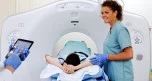
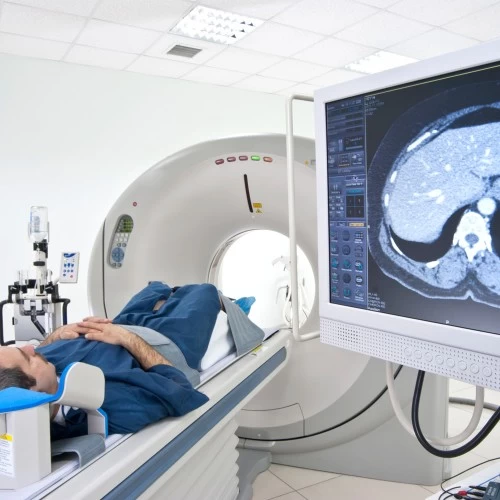
A CT scan, short for computed tomography, uses X-rays to capture cross-sectional images of the body. The scan is fast (often under a minute) and particularly useful in urgent situations. Emergency physicians use CT to identify internal injuries after trauma, detect bleeding in the brain, or quickly evaluate severe abdominal pain. Because CT images are excellent at showing bone, lung tissue, and acute changes, they remain a frontline tool when time matters.
MRI - Magnetic Resonance Imaging
An MRI scan, or magnetic resonance imaging, works without radiation. Instead, it uses a strong magnetic field and radiofrequency waves to generate highly detailed images of soft tissues inside the body. That makes MRI especially valuable for diagnosing issues involving the brain, spinal cord, joints, and internal organs. For example, if a patient has chronic knee pain that hasn’t improved, an MRI can reveal ligament tears or cartilage damage that wouldn’t appear clearly on CT.
The experience differs for patients.
CT is quick and typically open on both sides, which can feel less confining. MRI requires more time (often 20 to 45 minutes) and patients lie inside a tubular magnet while the machine produces loud tapping or knocking sounds. While many patients tolerate MRI well, technologists are trained to support those who feel anxious or have trouble staying still. MWR offers wide bore MRI, which combines state-of-the-art imaging technology with a more comfortable and open experience.
Radiologists determine which test is appropriate based on the clinical question.
In many stroke cases, for example, CT is ordered first because it can rapidly show bleeding. MRI may follow to provide additional detail about brain tissue. In orthopedics, MRI is usually the preferred exam from the start because it shows soft-tissue structures with far greater clarity.
Both imaging technologies are essential, and neither replaces the other.
CT provides speed and excellent visualization of bone and acute conditions. MRI offers superior soft-tissue detail and helps clarify diagnoses when additional information is needed. Together, they give physicians and radiologists a more complete picture of what’s happening inside the body, and help guide patients toward the right treatment.