
















































Colorectal Cancer Is Shifting Younger. Here’s What That Means for You.
Colorectal cancer is in the news after the deaths of actors Catherine O’Hara, 71, and James Van Der Beek, who was just 48 years old. Colorectal cancer, which includes colon and rectal cancers, kills an estimated 55,000 Americans annually.
It’s a growing concern for young people. Colorectal cancer now has the highest mortality rate of any cancer among people under 50 in the United States, a study conducted by researchers with the American Cancer Society found.
For a long time, colorectal cancer lived in the “older adult” mental file folder. And for many people, it still does. But the data has been telling a stranger story: rates are rising in younger adults, while they’ve declined in older adults.
The trends: two directions at once
Younger adults: colorectal cancer is being diagnosed more often than it used to be. Researchers are still working to pin down why. There isn’t one single agreed-upon cause, and that’s part of what makes awareness so important.
Older adults: rates have generally moved in the other direction, and a major reason is that screening and early detection reduce risk… enabling doctors to find and remove precancerous polyps before they become cancer.
Early action makes a huge difference because colorectal cancer can be highly treatable when found early. The hard part is that early-onset cases (in younger adults) may be caught later because people don’t expect it, and symptoms can be minimized.
So, while screening helps explain a lot of the decline in older groups, it does not explain the rise in younger adults. That rise is a separate puzzle researchers are actively trying to solve.
Don’t ignore the signals
Colorectal cancer doesn’t always cause symptoms at first. But when symptoms do show up, they often look like things people are tempted to shrug off.
Talk with your clinician if you notice persistent:
- Blood in the stool or rectal bleeding
- Ongoing changes in bowel habits (new constipation/diarrhea, narrower stools)
- Abdominal pain or cramping that doesn’t resolve
- Unexplained weight loss
- Ongoing fatigue or iron-deficiency anemia
Screening starts at 45
Multiple major medical groups recommend that average-risk adults begin colorectal cancer screening at age 45.
A few important notes:
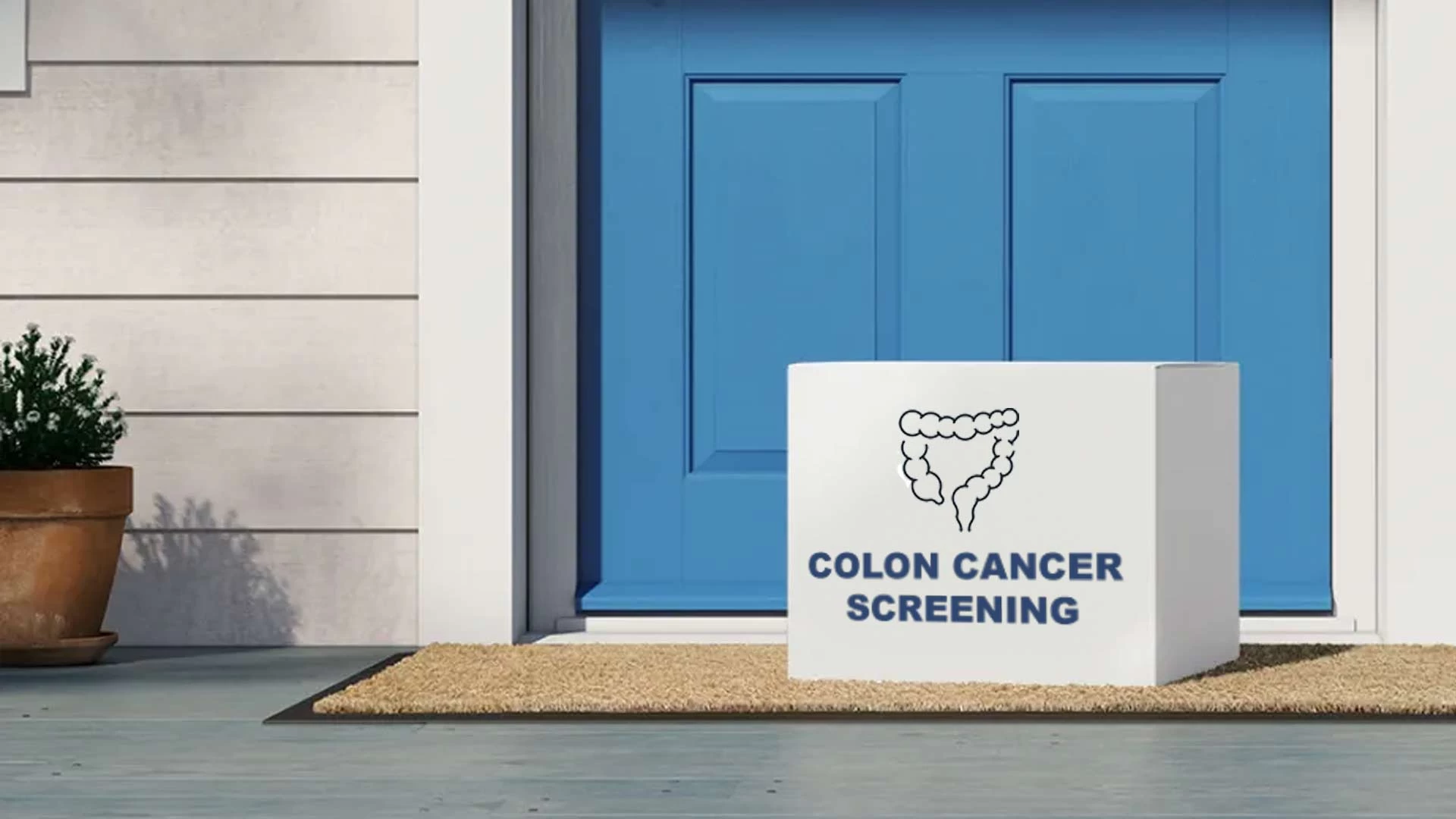
- There are different screening options, and some of them can be done at home.
- If a non-colonoscopy screening test is positive, it should be followed up promptly with a colonoscopy.
- If you have a higher risk (strong family history, certain genetic syndromes, inflammatory bowel disease, etc.), you may need screening earlier. Talk to your clinician about that.
Schedule your colon screening at Midwest Radiology.
Follow-through
Most people skip screenings because life gets busy: work, kids, caregiving, stress, and a thousand tiny urgencies. But colorectal cancer is a chronic disease. When the first step gets delayed, response, follow-through, and everything after it gets delayed.
If you’re due for screening, the most helpful move is often the simplest one: schedule the conversation and pick the option you’ll actually complete.
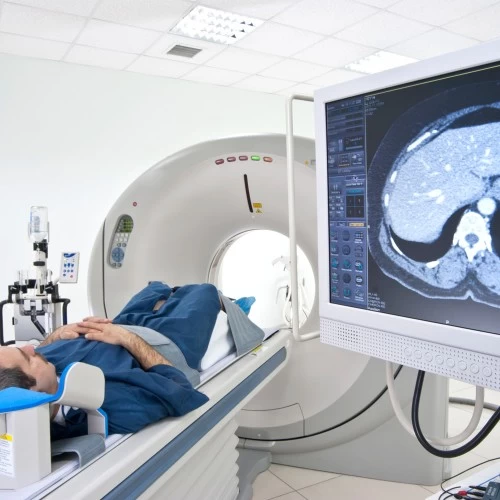
Imaging is a key step
At Midwest Radiology, we live in the part of healthcare that often determines what happens next. When you get the right diagnostic step at the right time, your care team can act with more confidence.
If you’ve been putting off an appointment or you’re unsure what you should do next, start with your primary care clinician. Ask them:
- “Am I due for colorectal cancer screening?”
- “Given my history, when should I start?”
- “What option makes the most sense for me?”
Better experiences lead to better results, and sometimes that starts with not waiting another day.