






















































Renal Artery Stenosis Evaluation and Management
What is Renal Artery Stenosis?
The kidneys are crucial organs responsible for cleaning our blood, producing urine, and regulating our blood pressure. The renal arteries are the arteries supplying blood flow to the kidneys and arise from the abdominal aorta, the largest artery in the abdomen. Narrowing of the renal artery is called renal artery stenosis. This usually occurs due to the accumulation of plaque in the arteries. The plaque is made up of cholesterol and fats and may cause diminished blood flow to the kidneys. If your kidneys get less blood, they think the whole body has a low blood pressure and begin secreting hormones which increase blood pressure. Decreased blood flow can also cause renal failure over time.
Aging is an important cause of plaque deposition and stenosis. Other causes might include:
- High blood pressure
- Diabetes
- Smoking
- Obesity and high cholesterol level
- Chronic kidney diseases
How is Renal Artery Stenosis Diagnosed?
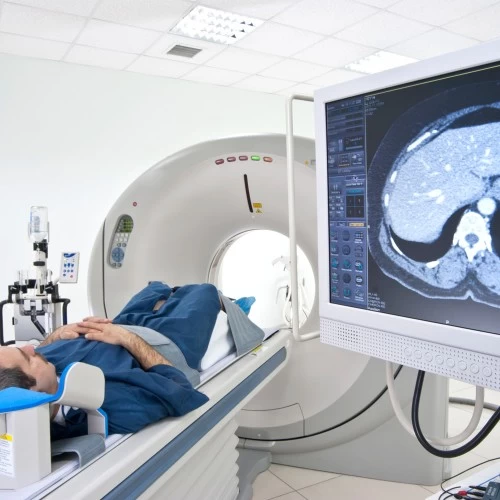
Computed tomography or Doppler ultrasound techniques are used by your physician to diagnose renal artery stenosis. Oftentimes, a stenosis may appear severe on imaging but not have a functional effect on your kidney.
How is Renal Artery Stenosis Treated?
Renal Artery Angioplasty is a minimally invasive procedure used to treat renal artery stenosis. Your vascular and interventional physician uses a catheter (thin tube-like structure) to place a balloon or stent into your narrowed renal artery to widen it. The minimally invasive procedure for renal artery angioplasty involves the following steps:
- Your vascular and interventional physician administers moderate sedation and local anesthesia and makes a small incision near the hip or groin area.
- A metallic stent and balloon catheter are inserted into the artery and advanced to the site of plaque formation in the artery.
- Your doctor uses an x-ray camera to view the images of your artery and guide the proper placement of the stent and balloon.
- Once the stent and balloon are at the site of the plaque, the balloon is inflated to widen the opening and deploy the stent.
- Once the stent or balloon is in place, the catheters are removed.
- The tiny incision is then closed with a bandage.
Post Procedure & Follow Up
It is necessary to follow these measures after your renal artery procedure for efficient recovery:
- You may return to your normal work schedule within a few days after surgery.
- You must stop smoking and consuming alcohol.
- Eat a healthy diet and exercise regularly.
- If you are diabetic, take care to manage your blood sugar effectively.
Can Renal Artery Stenosis be Prevented?
Exercise regularly to maintain good health. Practice yoga or meditation to manage stress effectively and reduce activities that cause stress and may lead to hypertension and renal stenosis. Other renal artery stenosis preventive measures include:
- Regularly monitor your blood pressure.
- Consume a heart-healthy nutritious diet to manage cholesterol levels and maintain proper body weight.
- If you have been diagnosed with hypertension, take medications to maintain normal blood pressure as prescribed by your doctor.
- Quit smoking and avoid consumption of alcohol to prevent the formation of plaque within your arteries.