










































Chemoembolization of Tumors
What is Chemoembolization?
Chemoembolization is a treatment for liver cancer. Normal liver tissue is supplied both by the hepatic artery and by the portal vein. Liver cancers, however, are supplied almost entirely by the hepatic artery. Treatment with chemotherapy in the hepatic artery (chemo), as well as blocking the hepatic artery branches supplying the tumor (embolization), can therefore help shrink and control liver cancers while sparing much of the normal liver.
How is Chemoembolization Performed?
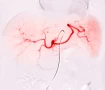
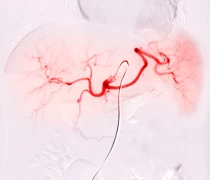
With the patient under conscious sedation, an interventional radiology physician uses X-rays to guide a small catheter from the femoral artery at the groin and into the hepatic artery. Contrast injection is performed to locate the cancer(s) in the liver. Each artery branch supplying the cancer is then accessed using a microcatheter where chemotherapy and an embolic material is administered to eliminate the tumor and block its blood supply.
What are the Risks of Chemoembolization?
Small risk of bleeding and infection. Risk of liver failure, which depends on the baseline liver function and the amount of liver treated. Small risk of non-target embolization, in which the embolic material blocks blood supply to an organ other than liver (such as the gallbladder, intestines, or stomach). Chemotherapy effects, which can include fatigue, low blood counts, and hair loss.
Post Procedure & Follow Up
Generally, chemoembolization procedures are followed by overnight admission. You will lie flat for 2-4 hours after the procedure. Post-embolization syndrome, which can include fatigue, abdominal pain, nausea, low-grade fever, and loss of appetite, can occur and typically lasts 24-48 hours. Most patients are discharged home the day after the procedure.
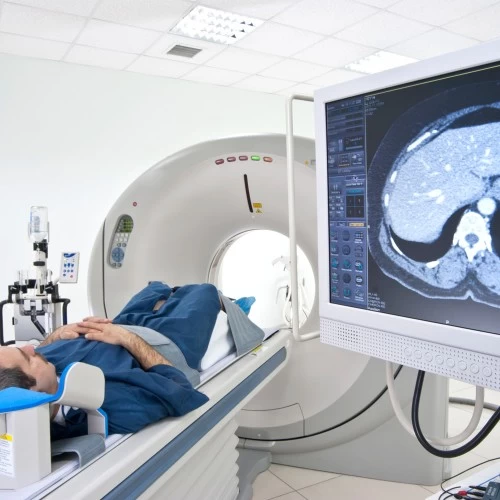
A follow-up CT or MRI is usually performed a few weeks to months after treatment along with clinic visit in interventional radiology to determine the results and allow for further treatment planning. Repeat chemoembolization may be performed as soon as 6 weeks after, if necessary. Sometimes chemoembolization can be followed by percutaneous ablation to attempt complete destruction of the cancer.